
Every few years, a new report lands on the desks of vice-chancellors. The numbers tell the same uncomfortable story. The press releases tell a different one.
Higher education in the UK has been talking about race equality for at least three decades. It has Race Equality Charters, action plans, EDI strategies, dedicated practitioners, and entire teams whose job it is to move the dial. And yet, when you walk into the senior leadership corridors of most universities in this country, you can still count the racially minoritised people in the room on one hand. Sometimes on one finger.
After over two decades working across equality-focused roles in higher education, the NHS, science and engineering, and the voluntary sector, I have watched this pattern repeat itself in slightly different ways. The strategies change. The Chairs change. The barriers, by and large, do not.
So here is the difficult question I want to sit with in this post. It is also the one I think the sector needs to sit with:
If we already know what the problem is, why are we still producing leadership development programmes that do not change anything?
The honest answer is not that we lack the will, or the data, or the legal framework. We have all three. The answer is that we keep designing interventions in isolation from one another. We keep treating leadership development and positive action as if they were two unrelated tools in the EDI toolkit, when in fact they are two halves of the same instrument.
The shape of the problem
Let me ground this in what we actually know.
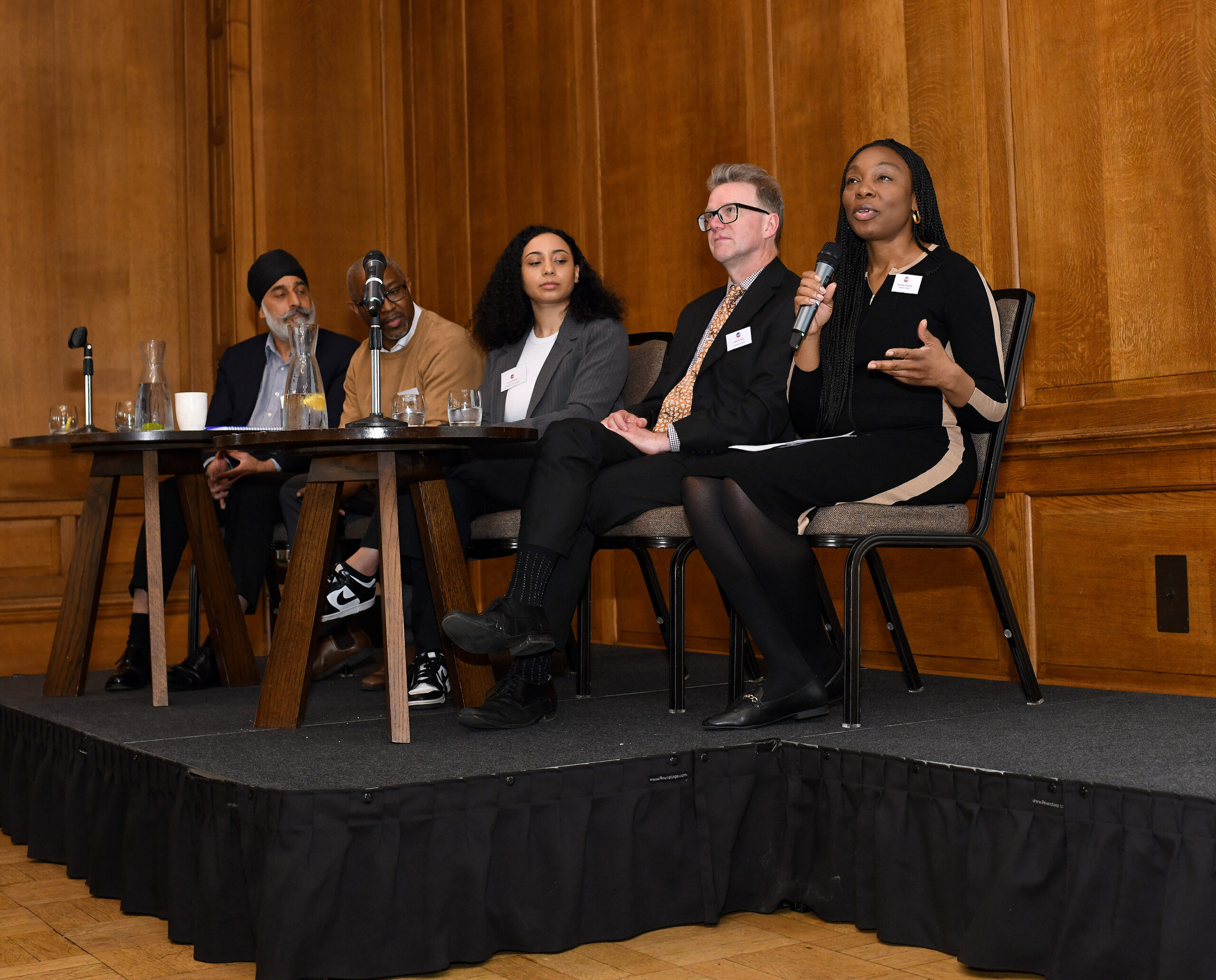
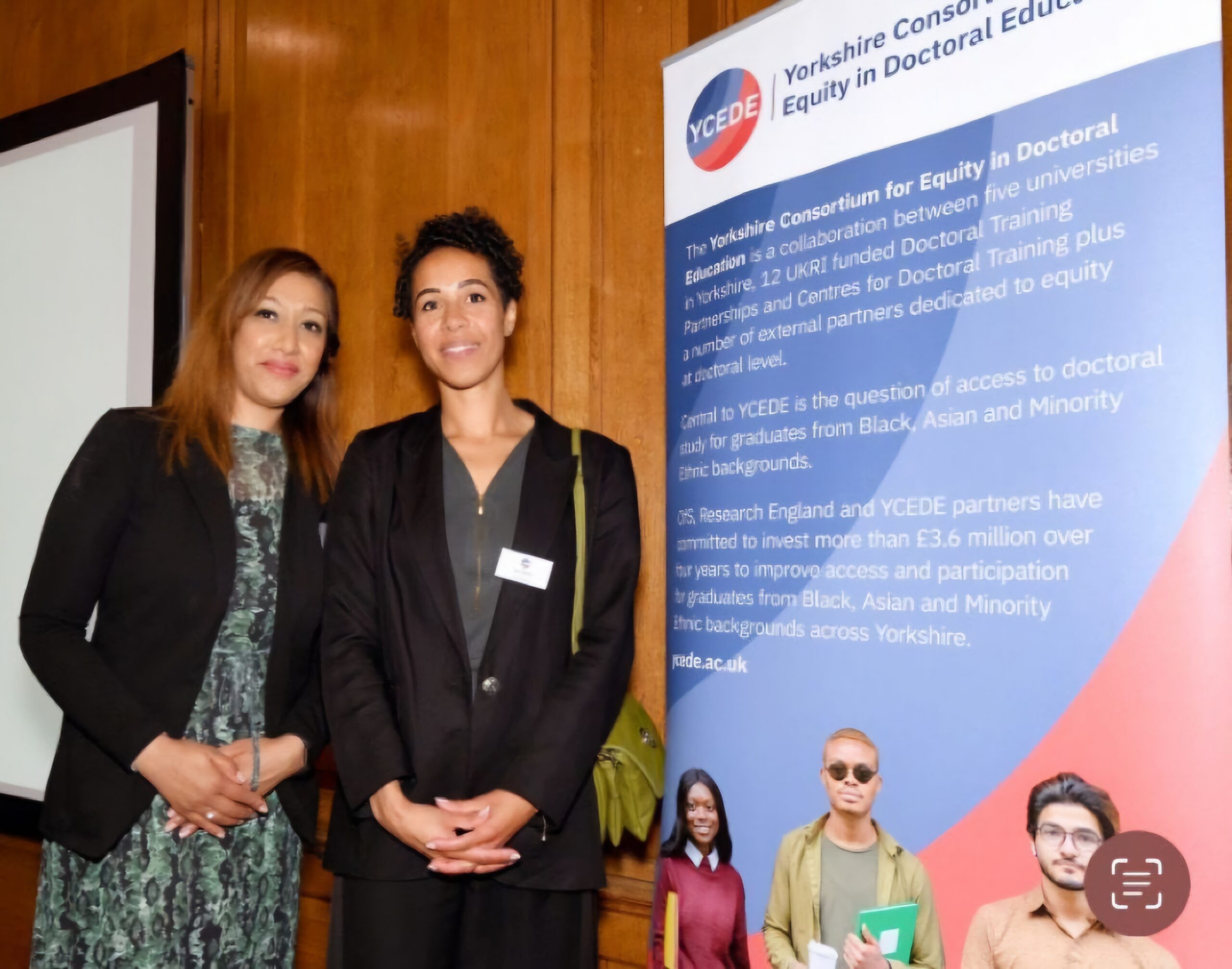
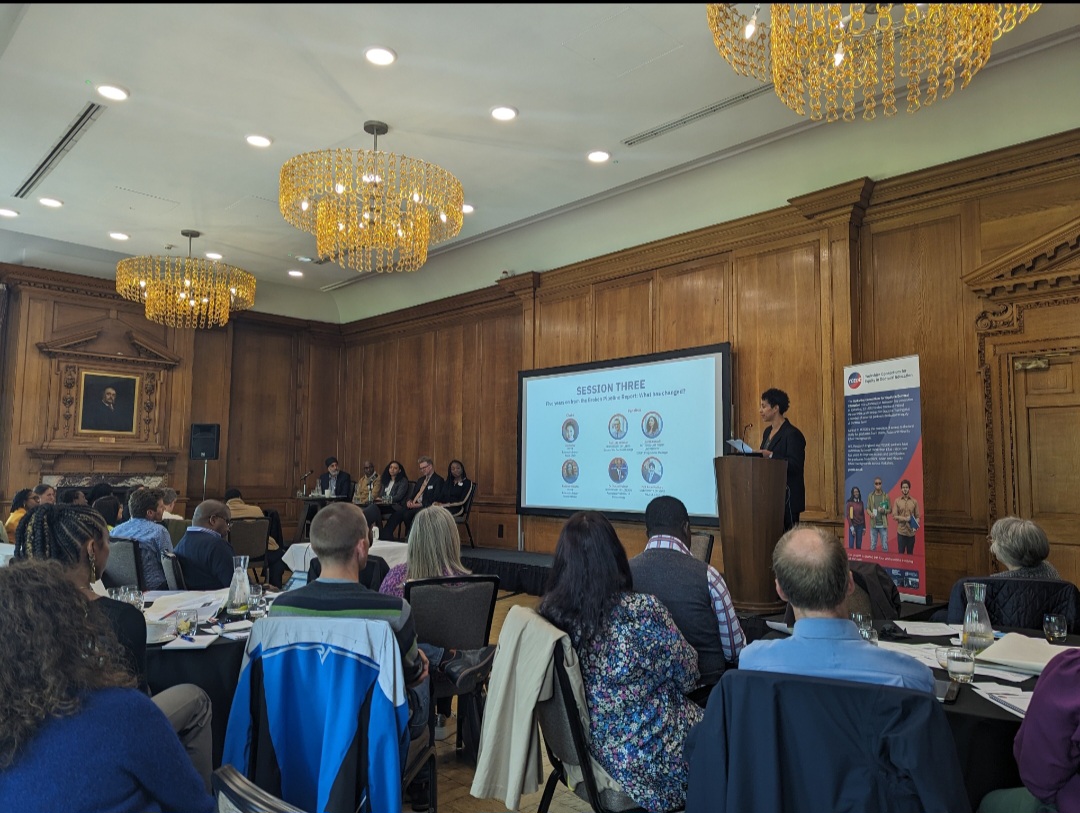
The Broken Pipeline report, published by Leading Routes in 2019, set out in stark terms how few Black British students were receiving doctoral funding from UK Research and Innovation. The follow-on conversations across the sector, including the work that came out of the Yorkshire Consortium for Equity in Doctoral Education (YCEDE), where I Chaired the External Advisory Board, made it clear that the underrepresentation is not a recruitment problem at the postgraduate level. It is a structural problem that runs the length of the academic pipeline, from undergraduate awarding gaps right through to who eventually gets to be a professor.
The Higher Education Statistics Agency data on professorships tells you what happens at the other end of that pipeline. The picture is bleak, and it has been bleak for years. The proportion of Black professors in the UK is so small that, when broken down by gender, the numbers become almost too painful to write down.
This is the social justice lens.
But the business performance lens tells the same story in a different language. Universities are not neutral spaces. They compete for international students, for research income, for reputational standing. The institutions that fail to develop diverse leadership pipelines are the institutions that will, over the next decade, lose ground to those that do. Talent is not the rare commodity here.
The infrastructure to recognise and develop that talent equitably is what is rare. And then there is the legal lens. The Equality Act 2010 has been on the statute book for fifteen years. The Public Sector Equality Duty has been with us almost as long. Most universities in the UK are public bodies, and that duty is not optional. It is the legal floor — and many institutions are still treating it as the ceiling.
Why standalone leadership programmes do not move the dial
I want to be very clear about something before I go any further. This is not an argument against leadership development programmes for racially minoritised staff. I have helped design them. I have delivered them. I have seen them change individual careers in ways that are deeply meaningful.
It is an argument against doing them in isolation.
The pattern goes something like this. A university notices it has a representation problem at senior levels. It commissions a leadership development programme for racially minoritised staff. Sometimes a cohort programme, sometimes an external scheme, sometimes a coaching arrangement. The programme runs for six months, perhaps a year. The participants speak warmly of it. There is a celebration event with photographs. And then, somewhere between eighteen months and three years later, a significant proportion of those participants leave the institution.
They leave because the programme equipped them, but the institution did not.
This is the part that the sector keeps refusing to look at directly. You can develop a racially minoritised colleague’s leadership capability all you like. If the environment they return to is the same environment that held them back in the first place, with the same panels, the same informal networks, the same patterns of who gets sponsored and who gets stuck, then all you have done is prepare them beautifully for their next employer. The institution that invested in them does not see the return on that investment, and the participants themselves are left wondering whether the programme was for them or for the institution’s reputational positioning.
A leadership development programme that is not paired with sustained, institutional change is not a development programme. It is a retention risk.
What “holistic” actually means
When I describe our approach at Bakare Barley as holistic, I do not mean comprehensive in the corporate sense. I mean something more specific. I mean that the programme accounts for three things at once: the individual, the institution, and the structure.
The individual layer is the one most programmes get right, more or less. It includes coaching, mentoring, sponsorship, skills development, exposure to senior decision-making, the building of strategic awareness and political literacy. This is necessary work. Racially minoritised staff in higher education often have less access to the informal apprenticeships into leadership that their white colleagues take for granted. A well-designed individual layer addresses that gap directly.
The institutional layer is where most programmes start to thin out. This is the layer that asks what the panels, the policies, the promotion criteria, and the cultural expectations of the institution are actually rewarding. It asks who currently gets sponsored, by whom, and on what basis. It asks whether the institution’s leadership behaviours, the ones written into the values document and the ones lived out in practice, are the same thing. A holistic programme runs alongside an honest institutional audit, and the findings of that audit feed back into the design of the programme itself.
The structural layer is the one almost everyone avoids. This is the layer that recognises that the institution sits inside a sector, and the sector sits inside a wider society, and that the same racialised dynamics that shape who gets a school place at age four also shape who gets a chair at age fifty. The structural layer is what stops us pretending that we can fix higher education’s race problem with a leadership programme alone. It is what helps us see why the work has to extend beyond the institutional gate, into school engagement, doctoral funding, recruitment partnerships, and supplier diversity.
A holistic programme is one in which all three layers are visible to the participants. It does not pretend the personal development is happening in a vacuum. It does not promise transformation it cannot deliver. And it does not ask participants to do the institutional change work on top of their own development — that work belongs to the institution.
Positive action: what the law actually allows
Positive action is a specific legal mechanism under the Equality Act 2010. It is not the same thing as positive discrimination. Positive discrimination, which means preferring a candidate solely because of a protected characteristic in most circumstances, is unlawful in the UK. Positive action is lawful, encouraged in many contexts, and grossly underused in higher education.
The relevant provisions live in sections 158 and 159 of the Act. Section 158 covers general positive action: targeted training, outreach, mentoring, and development programmes aimed at groups who are underrepresented or who suffer particular disadvantage. Section 159 covers the more specific situation of recruitment and promotion, and allows an employer to choose a candidate from an underrepresented group when two candidates are equally qualified for a role. This is the so-called tiebreaker provision.
I want to say plainly: a leadership development programme for racially minoritised staff is, in legal terms, positive action under section 158. It is permitted. It is encouraged. It is not a legal grey area. The persistent nervousness in higher education about whether it is “allowed” to run such programmes is a misreading of the law that has been allowed to harden into institutional caution.
The section 159 tiebreaker is where the real timidity sets in. Institution’s often don’t feel comfortable using section 159 because they are worried about legal challenge. The discomfort is generally cultural, not legal.
Used properly, with documented evidence of underrepresentation and a transparent process, section 159 is one of the most powerful tools available to a university committed to changing the composition of its senior leadership. Used poorly, or not at all, it leaves institutions saying the right things in their action plans and doing nothing different at the point of decision.
Why holistic programmes and positive action belong together
A serious institutional commitment to race equality in higher education looks like this. You build a development pipeline that includes racially minoritised staff at every career stage: early career researchers, lecturers, senior lecturers, readers, professors.
You support that pipeline with a holistic programme that addresses individual, institutional, and structural barriers. You publish your data honestly, including the uncomfortable parts. You audit your panels, your criteria, and your sponsorship patterns. And then, when you have equally qualified candidates at the point of recruitment or promotion, you use the legal tools available to you, including the section 159 tiebreaker where appropriate, to actively address the underrepresentation your own data has documented.
That is not radical. That is what the Equality Act 2010 was designed to enable.
What good practice looks like
If you are leading an EDI portfolio in a university, or sitting on a senior leadership team that is genuinely trying to do this work properly, here are some of the questions I would ask you to take into your next strategy meeting.
The first is about evidence. Do you actually know where racially minoritised staff in your institution drop out of the progression pipeline? Not at one level. At every level. Have you compared your internal promotion data with your external recruitment data, and have you broken both down by ethnicity, gender, and intersectional categories? If the answer is no, the work has not started yet.
The second is about design. Is your leadership development programme, if you have one, designed as a closed-loop intervention, or is it part of an institutional change strategy? Who decides what gets included? Are participants asked to do the institutional change work on top of their own development, or is there a parallel workstream that takes that on?
The third is about culture. What happens to participants after the programme ends? Do they have sponsors at executive level, or only mentors? Are they put forward for the stretch opportunities, the chair roles, the external boards? Is there a named, accountable person whose job it is to track their trajectory and intervene if it stalls?
The fourth is about law. Is your institution making active, documented use of positive action provisions under sections 158 and 159 of the Equality Act 2010? If not, why not? What is the actual legal advice, and is it being interpreted with confidence or with caution?
The fifth is about sustainability. Is the work happening this year a one-off, tied to a particular vice-chancellor’s tenure or a particular charter submission, or is it embedded in the governance structure of the institution in a way that will outlast any individual leader?
None of these questions are easy. None of them are meant to be. But the institutions that answer them honestly, and act on the answers, are the institutions that, ten years from now, will look noticeably different from the ones that did not.
A closing thought
I have been doing this work for long enough to know that the temptation, at the end of a piece like this, is to land it on something hopeful. I do not want to do that — not in a forced way, at least.
What I will say is this. The legal framework exists. The evidence base exists. The methodologies exist. The talent, in our racially minoritised staff and students, has always existed. None of those are the missing pieces.
The missing piece is the institutional courage to design programmes that are honest about the structural conditions they sit inside, to use the legal tools that have been available for fifteen years, and to measure success not in cohort photographs but in sustained changes to who actually leads our universities.
That courage is a choice. It is one that some institutions in the sector are starting to make. I would like to see many more of them join.
If you are sitting on a leadership team in higher education and you have read this far, you already know whether the work in your institution is genuinely holistic or whether it is, in the kindest framing I can offer, well-intentioned but partial. The next move belongs to you.
At Bakare Barley, we work with public sector organisations, including universities, to design EDI strategies and leadership development programmes that hold all three of these threads together: social justice, business performance, and legal compliance. If any of this has resonated, I would welcome a conversation.